
 LIFE STYLE
SPC Flooring vs Laminate Flooring
Which is more vulnerable to water? SPC flooring can withstand water immersion, while laminate flooring gets ruined by water exposure.
SPC flooring is manufactured by high‑temperature compression of stone powder and PVC resin, with nearly zero water absorption. It remains intact even after 72‑hour water immersion, making it suitable for kitchens, dry areas of bathrooms and balconies. The base material of laminate flooring is high‑density fiberboard, essentially composed of wood fibers. It absorbs moisture and swells upon contact with water. Once water seeps into the click‑lock joints, edges will warp within 3‑5 days, and the damage is irreversible — full‑panel replacement is required. SPC flooring is a more reliable option for humid southern regions or areas prone to damp‑return weather.
How do they compare in durability and environmental performance? Laminate flooring offers superior wear resistance, whereas SPC flooring provides near‑zero formaldehyde emissions for greater peace of mind.
The surface of laminate flooring is treated with aluminium trioxide, easily reaching AC4 wear resistance grade (≥9,000 revolutions), so it resists scratches from daily furniture movement. SPC flooring features a PVC or UV wear layer, which is softer than aluminium trioxide; fine scratches may occur under sharp friction. In terms of environmental protection, SPC flooring adopts glue‑free hot‑pressing technology with formaldehyde emissions close to zero, and some products meet the national ENF standard. Although laminate flooring can also achieve the ENF grade, its base material is bonded with adhesives, carrying a risk of trace formaldehyde release.
Sign Up For Newsletter
For more information or to purchase products, please...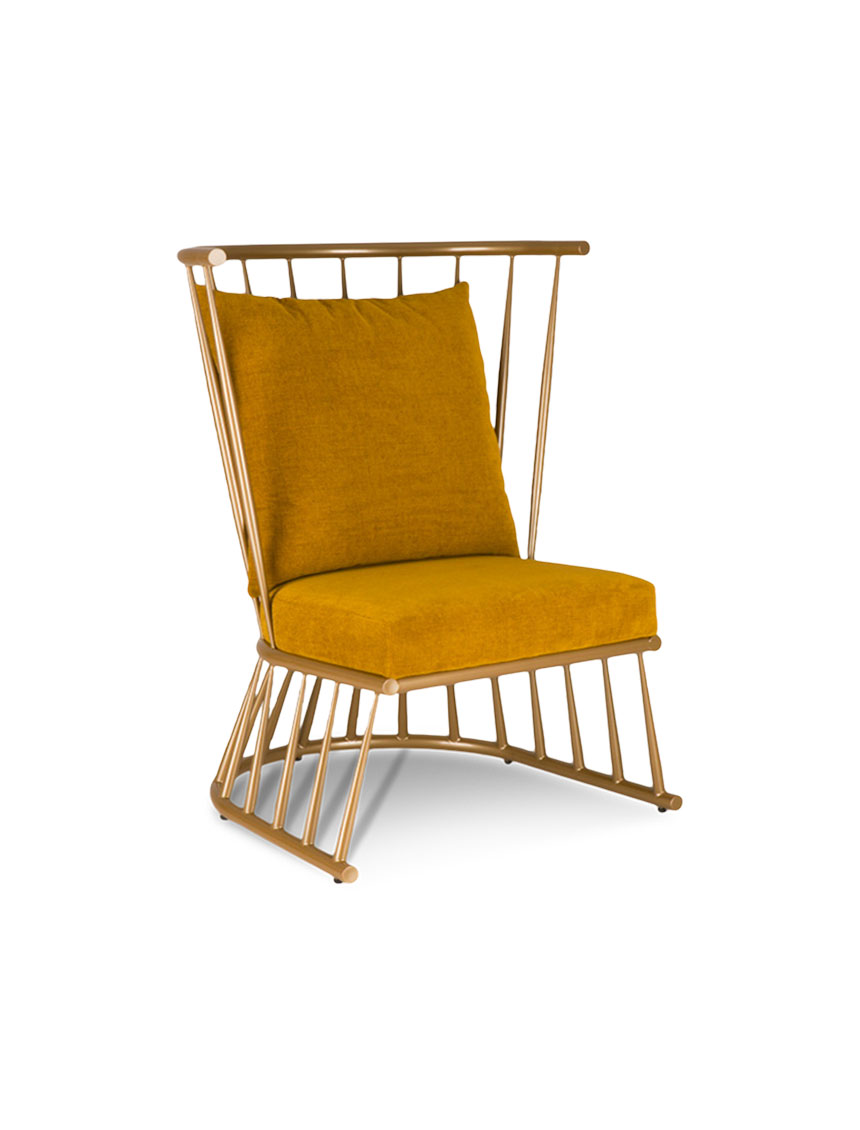
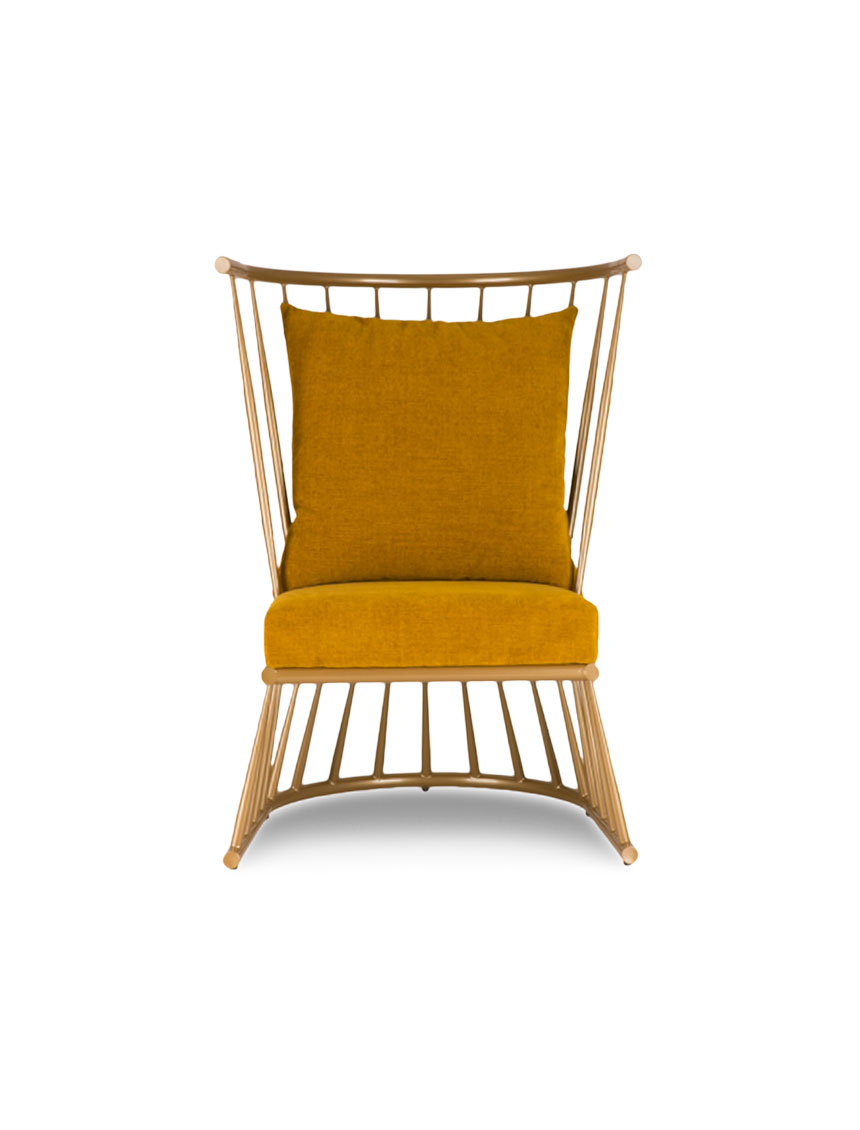
Form Armchair Yellow Base
$19.99
Sed ligula sapien, fermentum id est eget, viverra auctor sem. Vivamus maximus enim vitae urna porta, ut euismod nibh lacinia. Pellentesque at diam sed libero tincidunt feugiat.
Leave a Reply
Your email address will not be published. Required fields are marked *