
 LIFE STYLE
Storage and transportation of WPC wall panels
WPC wall panels combine the properties of wood and plastic, offering a range of advantages over traditional materials. Compared to plastics, WPC has better tensile strength, modulus of elasticity, hardness, bending resistance, and creep resistance, along with a more natural appearance. When compared to wood, WPC exhibits better dimensional stability, water resistance, ease of maintenance, and workability. As a composite material made of plastic and fibers, WPC can be sawed, nailed, and planed just like wood. Its nail holding capacity is significantly higher than that of other synthetic materials—typically three times that of wood and five times that of particleboard. The surface hardness of WPC is also high, usually 2–5 times that of wood, and it possesses compressive and bending strengths comparable to those of hardwood. WPC and its products are resistant to strong acids and alkalis, water, and corrosion. They also do not support bacterial growth, are resistant to insect damage and fungal growth, and have a long service life.
Additionally, WPC wall panels are biodegradable and recyclable. They can utilize large amounts of waste plastic, as well as agricultural and forestry by-products like wood chips, straw, and rice husks as raw materials for production.
However, WPC has some disadvantages. Its toughness is lower than that of the base plastic, requiring adjustments and modifications to processing equipment, downstream systems, and molds. Its density is relatively high, typically 2–4 times that of wood. The installation cost of WPC products is relatively high. Moreover, their heat and UV resistance are limited, and their hardness and load-bearing capacity are inferior to those of wood.
Sign Up For Newsletter
For more information or to purchase products, please...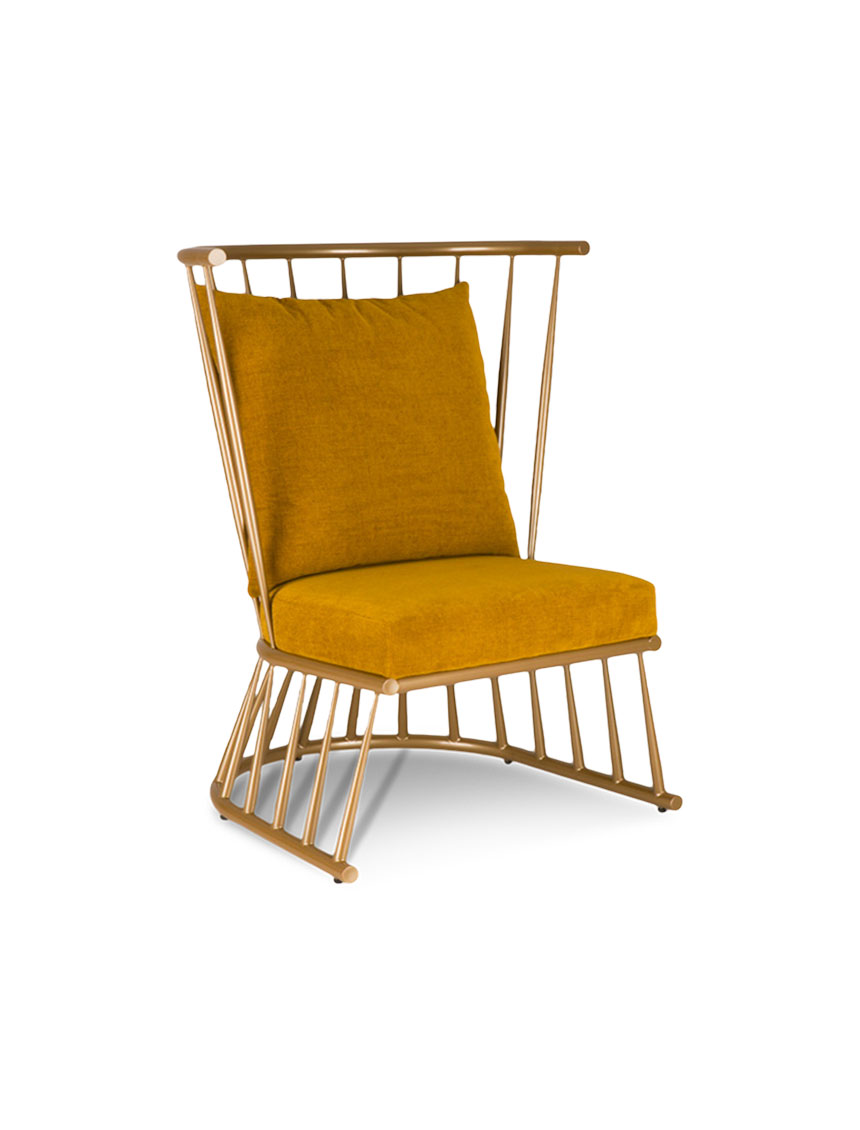
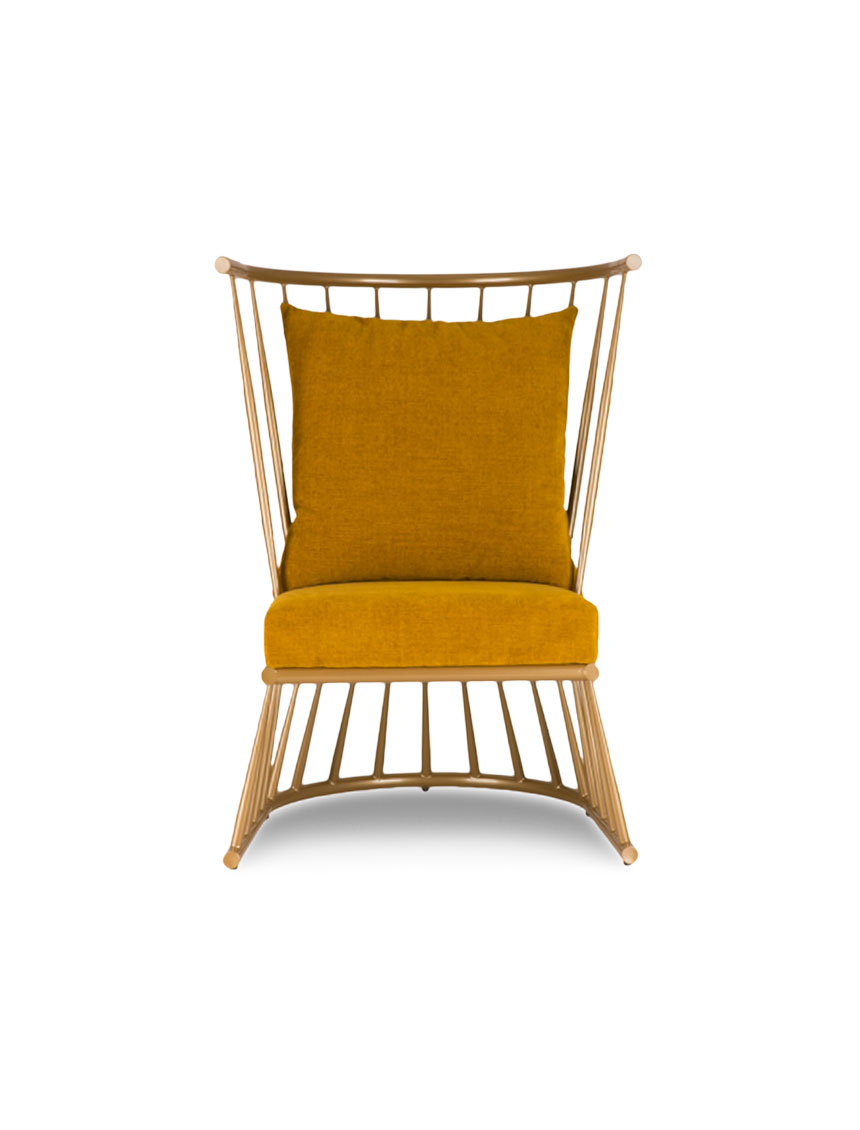
Form Armchair Yellow Base
$19.99
Sed ligula sapien, fermentum id est eget, viverra auctor sem. Vivamus maximus enim vitae urna porta, ut euismod nibh lacinia. Pellentesque at diam sed libero tincidunt feugiat.
Leave a Reply
Your email address will not be published. Required fields are marked *