
 LIFE STYLE
Reasons for PVC Wall Panel Cracking
I. Material and Production Issues
Poor Raw Material Quality: Use of recycled materials or substandard additives (such as stabilizers, lubricants) leading to insufficient material toughness and susceptibility to cracking.
Unreasonable Formulation: Imbalanced ratio of internal and external lubricants; insufficient or poor quality impact modifiers; excessive fillers affecting overall material strength.
Inadequate Plasticization: Insufficient or excessive plasticization of materials during extrusion, resulting in brittle board surfaces prone to cracking.
II. Installation and Construction Issues
No Expansion Joints Reserved: PVC materials expand and contract with temperature changes. If sufficient gaps (typically recommended 5–10mm) are not reserved between walls and boards during installation, thermal stress concentration upon heating can cause cracking.
Uneven Base Surface: Uneven walls or floors lead to uneven stress distribution after installation, easily causing cracks at locking mechanisms or board surfaces.
Improper Fixing Method: Use of ordinary nails instead of dedicated clips (with tensile strength ≥50kg) resulting in loose and cracked boards.
No Moisture-proof Treatment: In wet areas such as kitchens and bathrooms, failure to use moisture-proof film or high water-absorption resistant PVC boards allows moisture intrusion, leading to deformation and cracking.
III. Environmental and Usage Factors
Sudden Temperature and Humidity Changes: PVC boards may deform by 0.3–0.5mm/m when humidity fluctuates by more than ±15%, leading to cumulative cracking over time.
Low-Temperature Construction: Construction in winter when ambient temperature is below 10°C causes material brittleness, resulting in easy cracking after installation.
Structural Settlement: Settlement of building foundations or lightweight partition walls transfers stress to PVC wall panels, causing cracks.
Sign Up For Newsletter
For more information or to purchase products, please...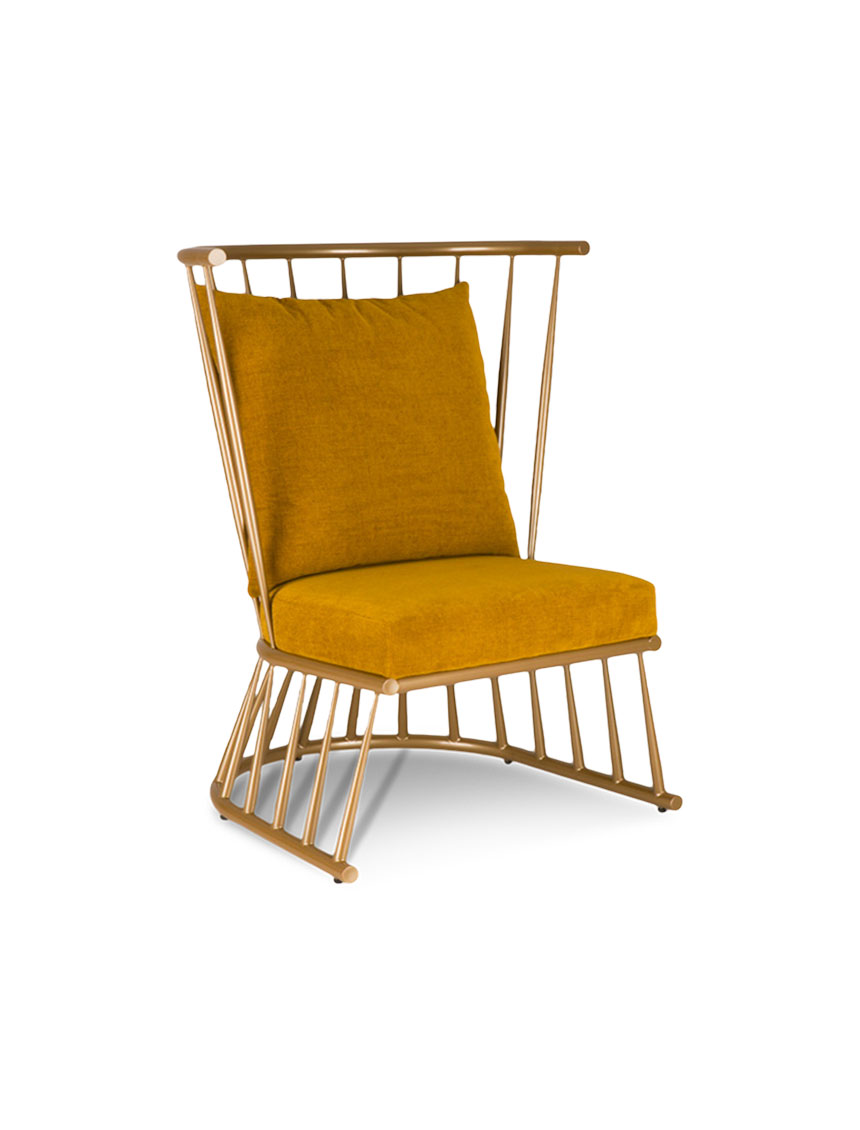
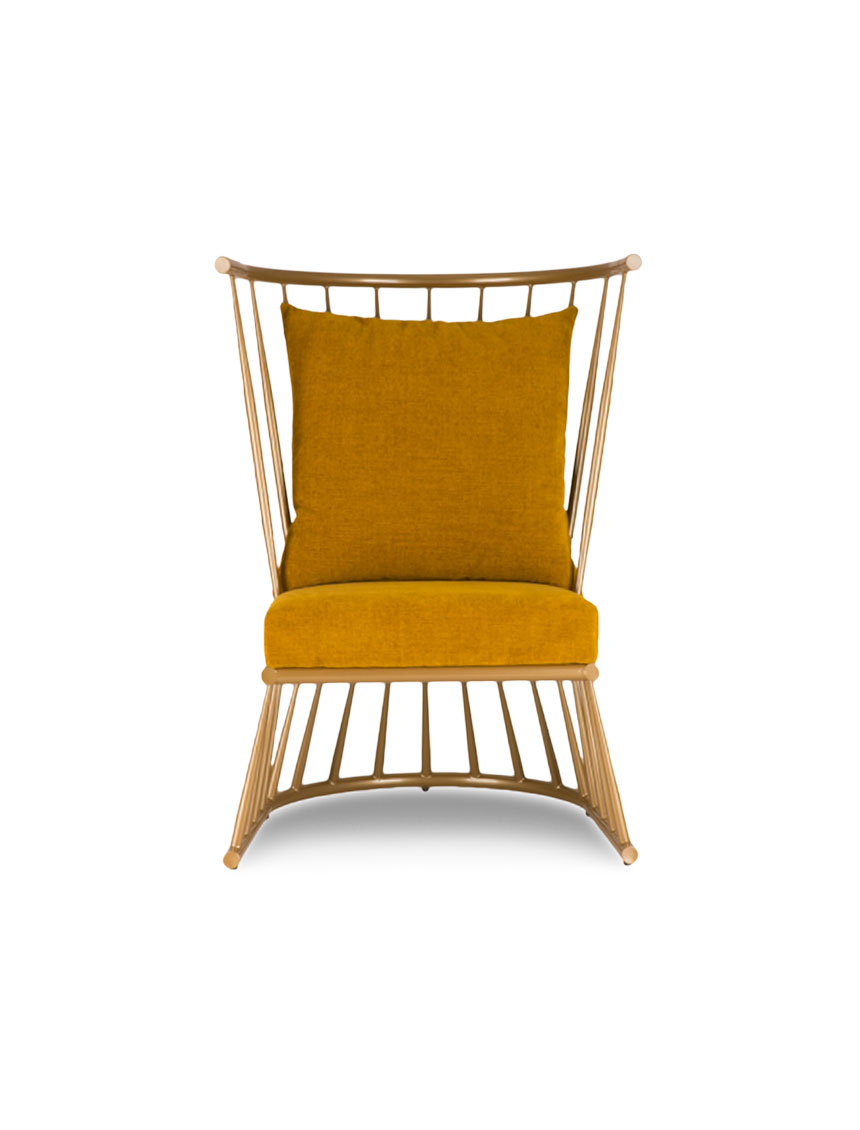
Form Armchair Yellow Base
$19.99
Sed ligula sapien, fermentum id est eget, viverra auctor sem. Vivamus maximus enim vitae urna porta, ut euismod nibh lacinia. Pellentesque at diam sed libero tincidunt feugiat.
Leave a Reply
Your email address will not be published. Required fields are marked *