
 LIFE STYLE
What are PVC wall panels
PVC wall panels possess numerous excellent characteristics. Firstly, they have outstanding waterproof properties. Even when exposed to a humid environment for an extended period, they are less likely to become damp, deform, or develop mold. This makes PVC wall panels an ideal choice for areas that are frequently humid, such as bathrooms and kitchens. Secondly, PVC wall panels are highly fire-resistant and effectively inhibit the spread of flames, thereby reducing the risk of fires and providing enhanced safety for residents. Additionally, they are resistant to moisture and corrosion, as well as the erosion of chemicals like acids and bases, which extends their lifespan.
In terms of applications, PVC wall panels have a wide range of uses. For interior decoration, they can be used for background walls in living rooms, bedroom walls, and partitioning in dining rooms. Their customizable nature, with a variety of colors available, allows for the creation of personalized and stylish spaces. In outdoor decoration as well, PVC wall panels perform excellently, being suitable for exterior walls and balcony railings, thus enhancing the overall aesthetics of a building.
In terms of manufacturing processes, PVC wall panels are produced using advanced high-temperature extrusion techniques, resulting in a smooth and naturally textured surface. Advanced printing and laminating methods also enable the creation of a variety of patterns and colors to meet different decorative needs. Installation of PVC wall panels is also very convenient. Due to their strip-shaped design, they can be fixed using snap-fit mechanisms or keel systems, which significantly reduces construction time and costs. Moreover, PVC wall panels require no regular maintenance, further lowering long-term usage costs.
From a regulatory perspective, the production of PVC wall panels must comply with strict quality and environmental standards. High-quality PVC wall panels should be non-toxic and odorless, meeting national environmental regulations to ensure good indoor air quality. Their physical properties, such as tensile strength and bending strength, must also meet specified standards to ensure the stability and durability of the panels.
Sign Up For Newsletter
For more information or to purchase products, please...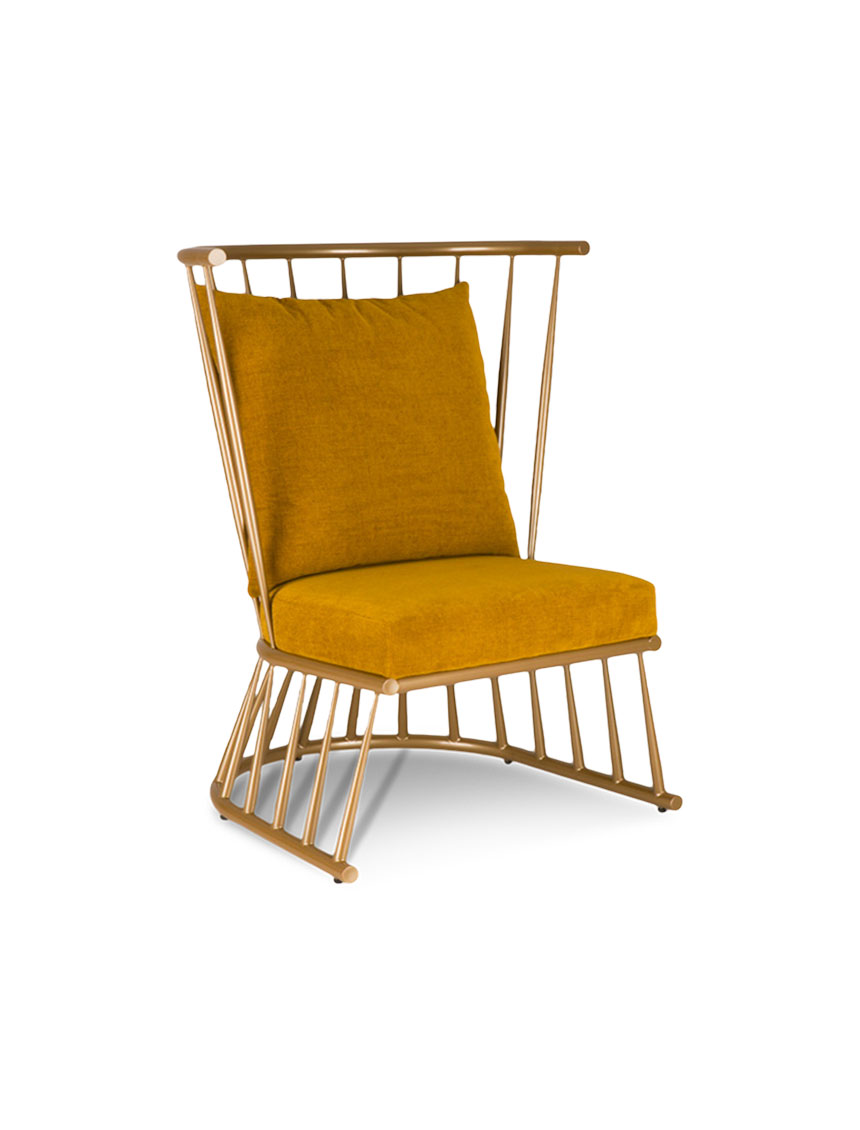
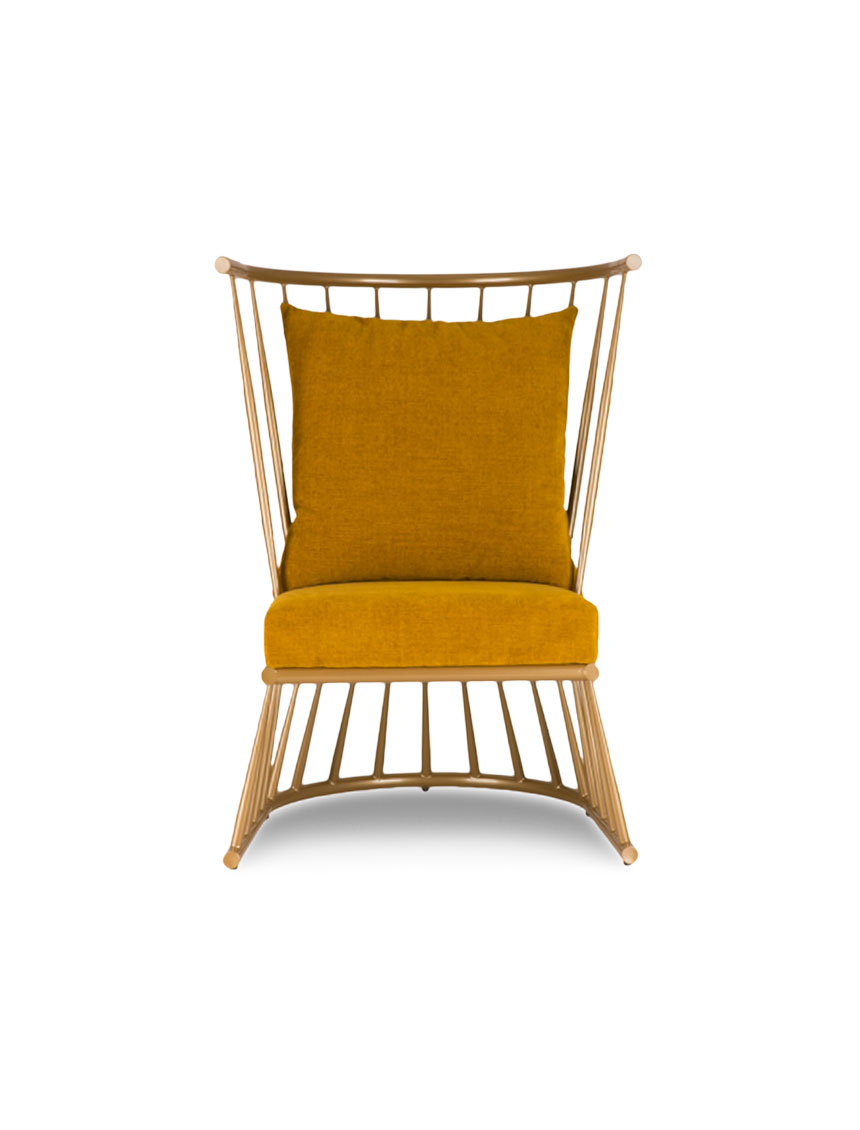
Form Armchair Yellow Base
$19.99
Sed ligula sapien, fermentum id est eget, viverra auctor sem. Vivamus maximus enim vitae urna porta, ut euismod nibh lacinia. Pellentesque at diam sed libero tincidunt feugiat.
Leave a Reply
Your email address will not be published. Required fields are marked *